
Football
Chelsea slammed for making Stamford Bridge decision without consulting fans

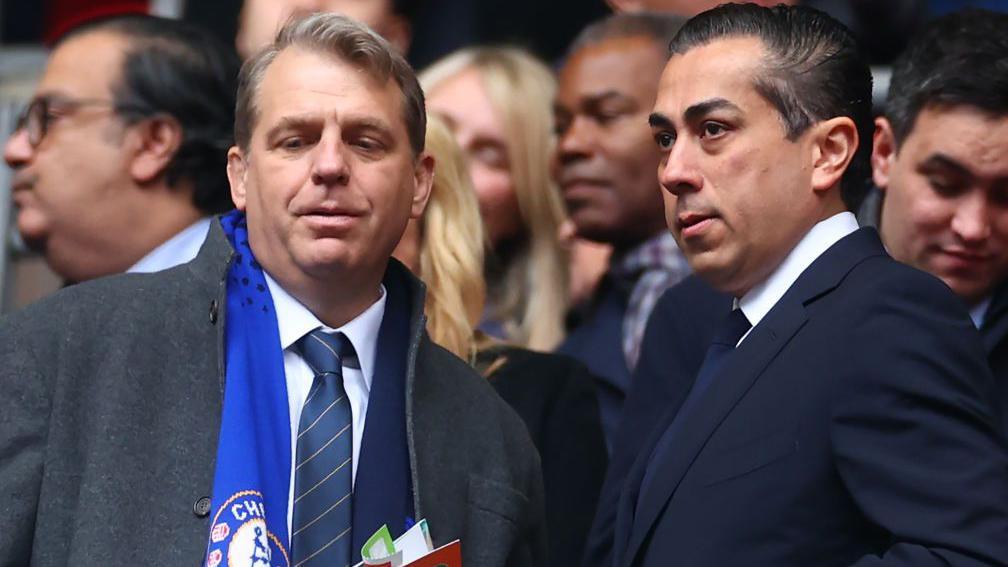
Chelsea’s recent decision to introduce goal music at Stamford Bridge has sparked controversy among fans, with many accusing the club of making the change without any prior consultation.
The Blues will face Premier League champions Liverpool on Saturday evening, marking their third consecutive home match following a defeat to Brighton and a narrow Champions League victory over Benfica.
However, it’s not the results that have stirred debate this week, it’s a new matchday addition that has divided opinion.
Traditionally, when Chelsea score at the Bridge, the roar of the crowd and the sound of metal boards being pounded by supporters in the Matthew Harding Stand create an iconic atmosphere.
But when Enzo Fernández found the net against Brighton, fans were surprised to hear goal music echo through the stadium, specifically Chelsea Dagger by The Fratellis, a track with long-standing ties to the club.
While goal music is common in other leagues such as Germany’s Bundesliga, where 17 of 18 teams use it, and in American sports like the NHL , where Chelsea Dagger is the Chicago Blackhawks’ goal anthem, it has never fully caught on in English football. The move to bring it back at Chelsea, after being tested during pre-season, has left many supporters frustrated, particularly since the club did not discuss the decision with fan groups beforehand.
Dominic Rosso, vice chair of the Chelsea Supporters’ Trust, revealed that they had raised the issue with the club months ago. “We flagged it straight away during pre-season when we first heard it, and the club asked us to be patient while they tested it,” Rosso told The Athletic.
“But now, more and more fans are against it. When you score, that’s a moment for the supporters to celebrate with the team, the music takes that away. The sound of the boards being hit at Stamford Bridge is something unique, something that captures big moments. Goal music drowns that out.”
A petition demanding the removal of the goal song has already gathered over 1,500 signatures. The recent Brighton match also featured a smoke machine as players emerged from the tunnel — another modern addition that many fans have labeled unnecessary.
According to a 2023 Football Supporters’ Association survey, only one in five fans believe goal music improves the stadium atmosphere. Even global powerhouses like Real Madrid, who play Hala Madrid y Nada Más after scoring, do so in keeping with their cultural identity, something critics say Chelsea Dagger fails to achieve in English football.
Richard Weekes, a representative from Chelsea supporters’ group We Are The Shed, argued that artificial atmosphere boosters miss the point. “That’s the one moment when noise isn’t a problem, people are already cheering, singing, and celebrating together,” he said. “Goal music won’t fix our atmosphere issues. The challenge is creating energy before and after the goals, not during them.”
A source within Chelsea told The Athletic that the club is experimenting with ways to “enhance the matchday experience and attract younger fans while maintaining tradition.” However, early reactions suggest that many lifelong supporters see the introduction of goal music as a step in the wrong direction, diluting the authentic atmosphere that has long defined Stamford Bridge.








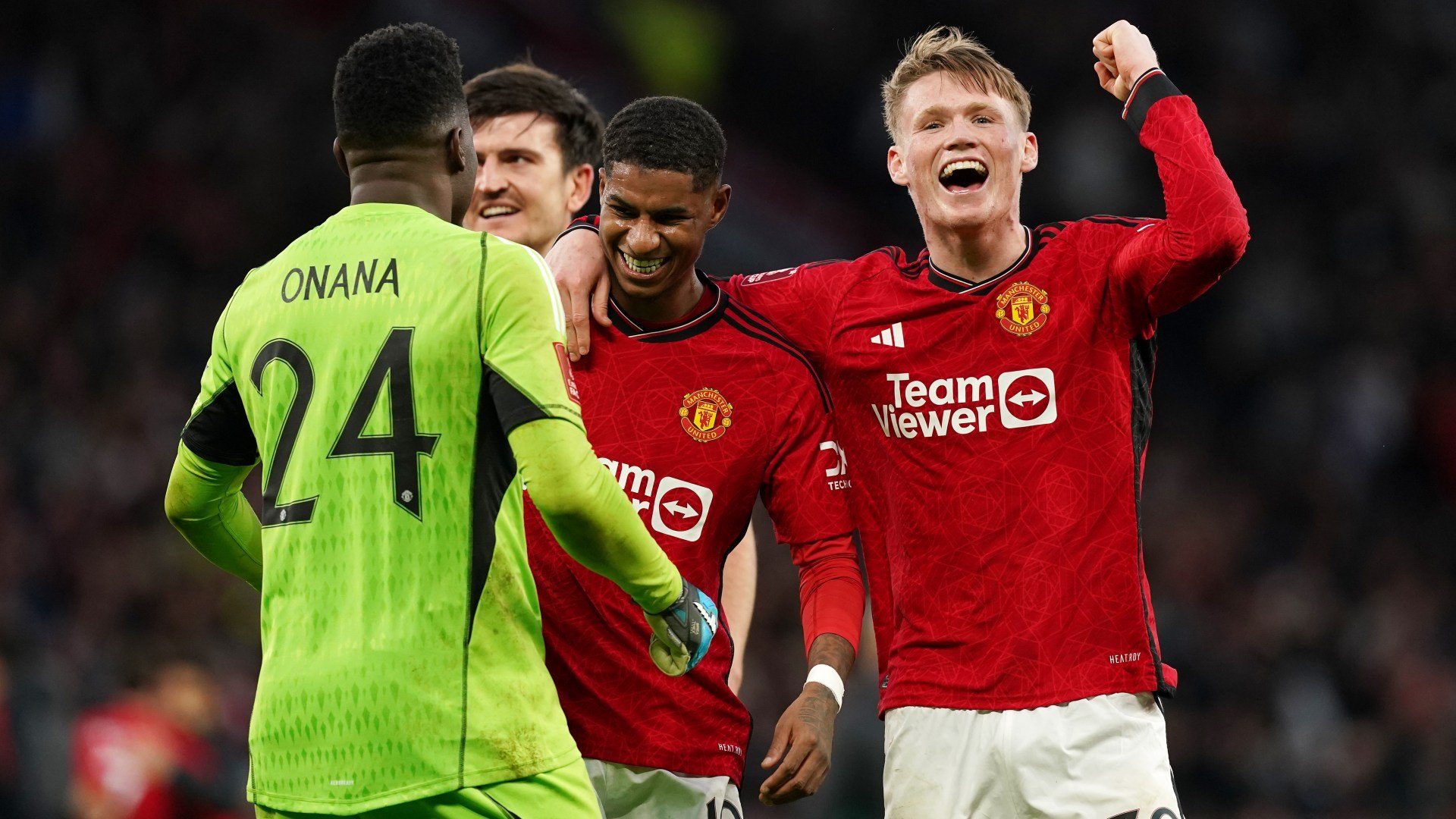
Andre Onana could remain in Turkey beyond his loan spell, with Trabzonspor keen to secure him on a permanent deal.
The 30-year-old moved to Trabzonspor after falling out of favour at Manchester United, who brought in Senne Lammens last summer. Since then, Lammens has established himself as the club’s first-choice keeper, paving the way for Onana’s temporary switch.
In Turkey, however, Onana has rediscovered his form and quickly become a key figure. He recently grabbed attention with a standout performance in the Turkish Cup, saving three consecutive penalties to help his side overcome Samsunspor and reach the semi-finals.
The moment sparked widespread reactions online, especially from United supporters recalling their earlier penalty shootout defeat to Grimsby Town, where Onana managed just one save.
Trabzonspor president Ertugrul Dogan has openly expressed the club’s desire to keep the goalkeeper. He indicated that while Onana has his own career plans, the club would be eager to make the move permanent if the circumstances align, leaving the final decision in the player’s hands.
Back in England, United are expected to consider selling Onana, particularly with Lammens now firmly established as their number one. The club will likely aim to recover a significant portion of the £47.5 million they paid to sign him from Inter Milan in 2023, with two years still remaining on his contract.
Beyond his cup heroics, Onana has been a consistent presence in the league, starting every match for Trabzonspor and playing a vital role in their push for the title. His performances have earned strong praise in Turkey, with the club currently sitting third in the table, just six points behind leaders Galatasaray.
Football
Man City place Arsenal ‘bottles’ for sale outside Etihad Stadium before 2025/26 Premier League decider
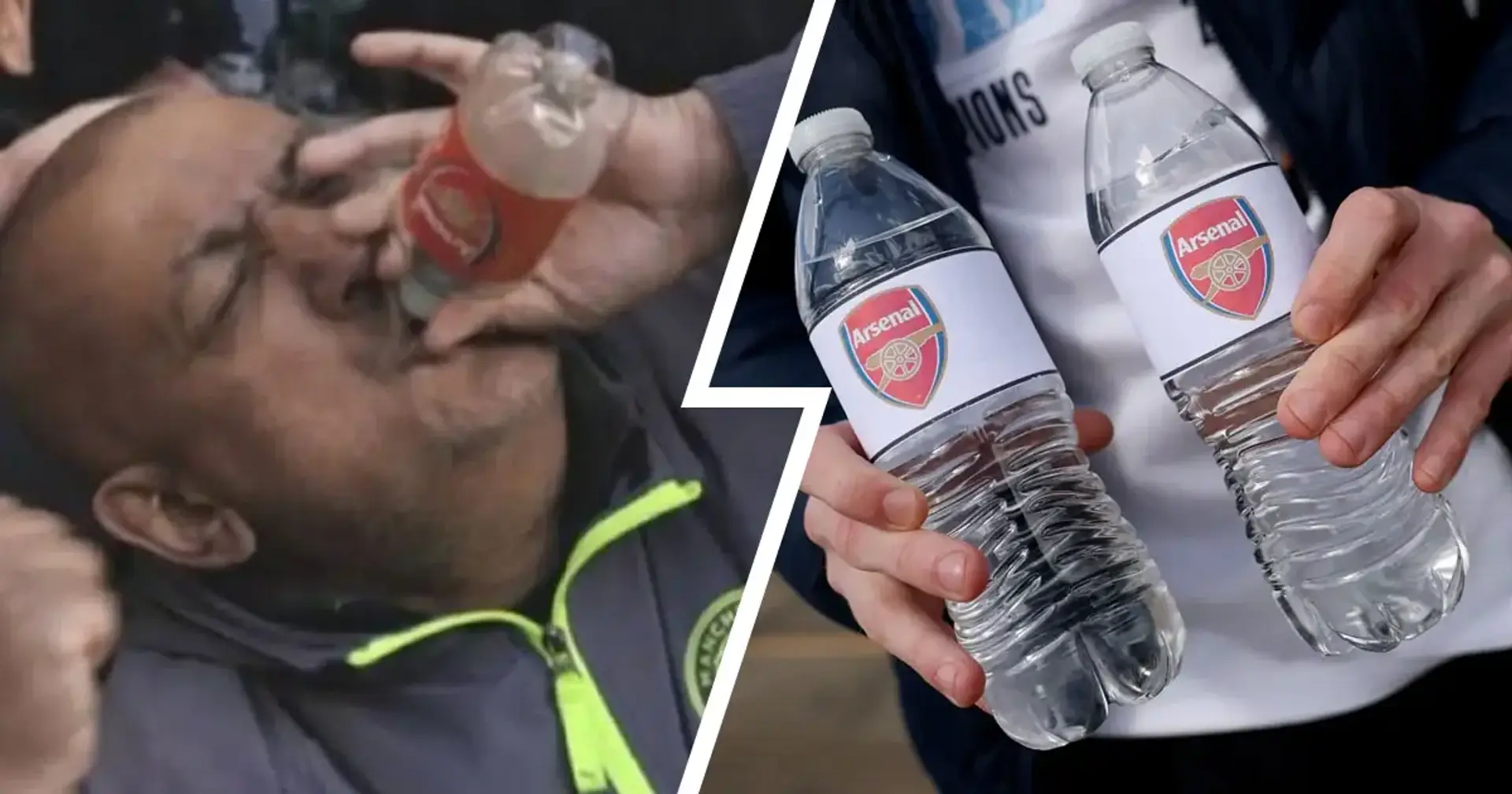
Manchester City appear to have kicked off the psychological battle ahead of their Premier League showdown with Arsenal.
In the build-up to the match, bottles branded with the Arsenal logo were reportedly being sold outside the stadium, priced cheaply and seemingly intended as a tongue-in-cheek way for home fans to mock the visiting supporters.

The stunt draws inspiration from a recent viral moment at Stamford Bridge, where a City fan was seen jokingly “drinking Arsenal tears” during their emphatic 3-0 win over Chelsea—a clip that quickly spread across social media.


With tensions already high given the importance of the fixture, the gesture adds another layer to the rivalry between the two sides. Arsenal, meanwhile, will be focused on responding where it matters most—on the pitch—as they aim to silence critics and deliver a strong result in what could be a defining game in the title race.
Football
Bruno Fernandes responds to Manchester United star’s dig at Chelsea flop Alejandro Garnacho
Alejandro Garnacho faced criticism from his former Manchester United teammates following Chelsea’s latest Premier League setback.
A first-half goal from Matheus Cunha secured a narrow but important win for United, strengthening the position of Michael Carrick’s side in the race for Champions League qualification. Chelsea, meanwhile, continue to struggle, with the defeat marking their fourth consecutive league loss without finding the net.
Pressure is mounting on head coach Liam Rosenior, who only took charge a few months ago after replacing Enzo Maresca. While the club has not publicly wavered in its support, questions are beginning to emerge over several players, including Garnacho, whose performances have failed to meet expectations since his £40 million move from Old Trafford.
Reports suggest Chelsea could be open to offers for the 21-year-old after a difficult start to life at Stamford Bridge. He had an early opportunity to impress against his former side after coming on for the injured Estevao, but once again struggled to make an impact, finding it hard to break through a United defence that was missing several first-choice centre-backs.

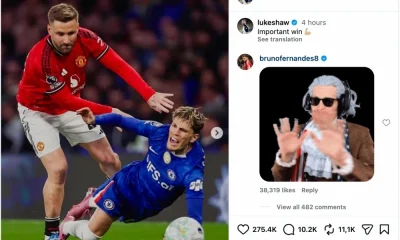
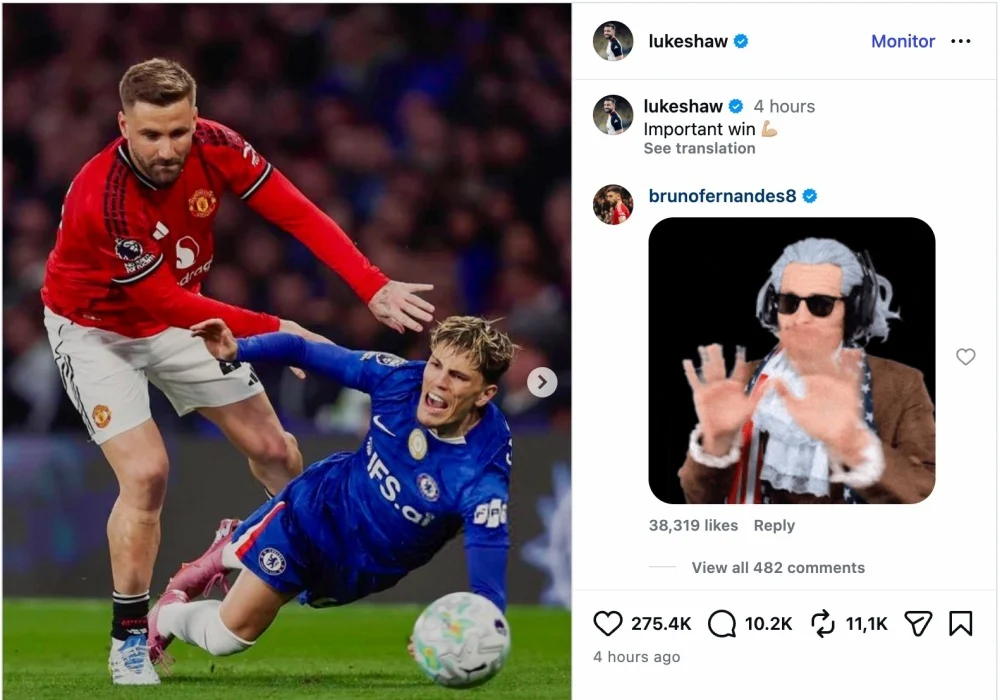
Garnacho also received a hostile reception from United supporters during the match, and the reaction appeared to carry over beyond the pitch. After the game, Luke Shaw shared an image on social media showing himself standing over Garnacho following a challenge. Bruno Fernandes responded with a playful but pointed comment, while former teammate Alex Telles also joined in with reactions.
Chelsea’s broader struggles are becoming increasingly concerning. They now sit four points behind Liverpool in the race for fifth place, despite having played an extra game. The current run—four straight league defeats without scoring—is their worst in nearly three decades, with an even longer drought not seen since 1912.

Across all competitions, the form is equally worrying, with six losses in their last seven matches and 16 goals conceded during that stretch. A significant portion of their recent goals have come in a single outing against Port Vale, highlighting their lack of consistency in front of goal.
After the match, Rosenior admitted uncertainty about what failing to qualify for the Champions League could mean for his future. He acknowledged the result was difficult to take, especially given that Chelsea created numerous chances but failed to convert them. He pointed out that United capitalised on a limited opportunity, while his side were unable to make their attacking pressure count.
Despite the frustration, Rosenior emphasized the need for continued effort and improvement, insisting that the team must find a way to turn their form around before the situation worsens further.
-
Football12 months ago
Antony scores another worldie with stunning free-kick vs ex-Man Utd team-mate
-
Football12 months ago
Guardiola refuses to shake hands with Palace star as Man City boss makes his feelings clear at the final whistle
-
NBA1 year ago
9 Years After ESPN Punishment, Radio Host Reveals Miami Heat’s Role in LeBron James’ Billboard Controversy
-
Football12 months ago
Lionel Messi involved in furious argument with referee after Inter Miami game
-

 Football11 months ago
Done deal: Details of Paul Pogba’s transfer to Monaco
-
Football12 months ago
Man Utd wonderkid dubbed ‘Next Yamal’ could snub Spain for England
-
Football12 months ago
REVEALRD: Why do Man Utd have (Red) as their shirt sponsor vs West Ham
-
Football12 months ago
Amorim spotted with new plaster on his knuckles after half-time vs Bilbao